
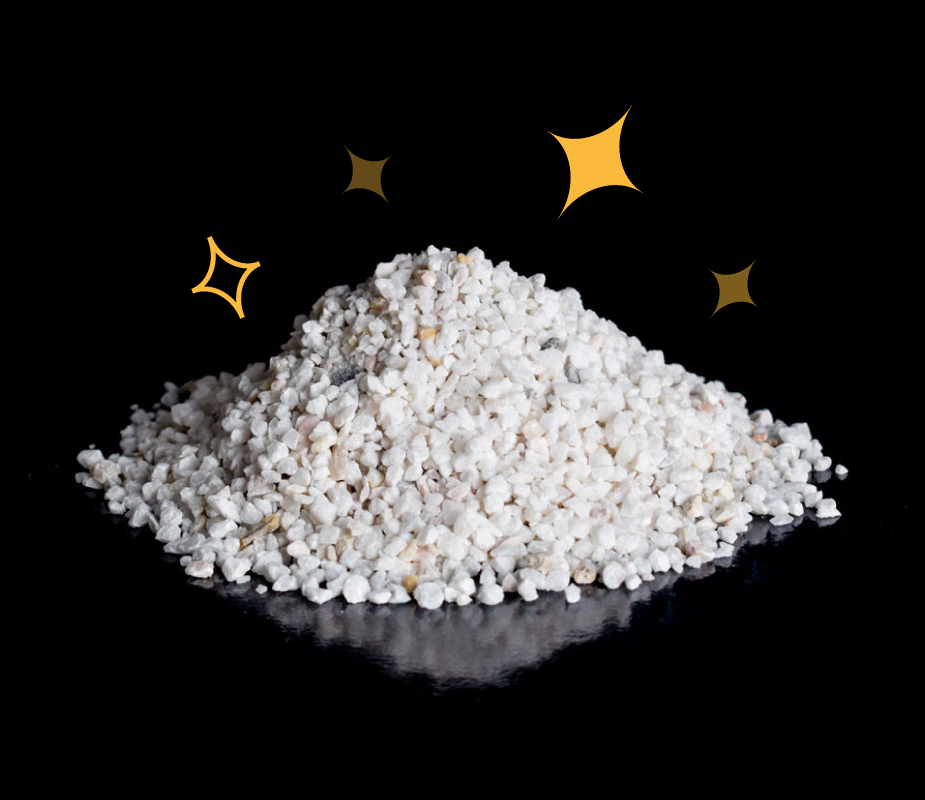
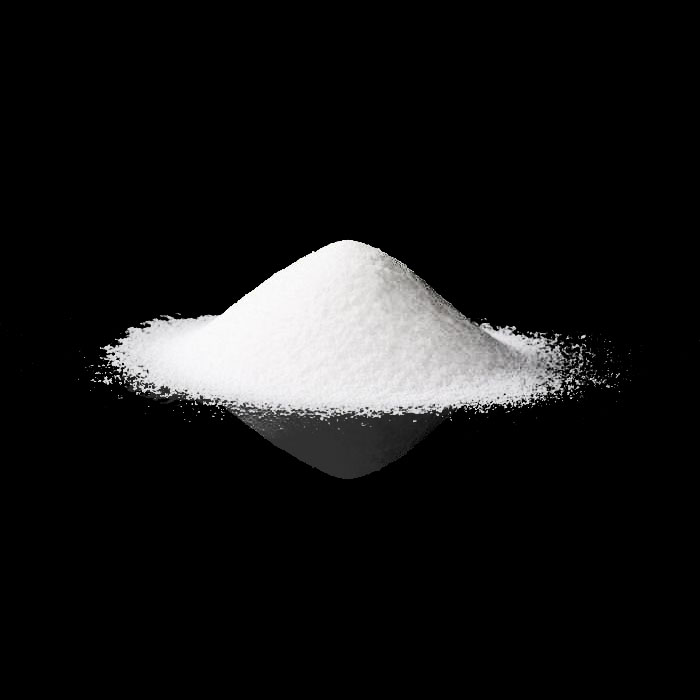
Silica is found in nature in several forms, including quartz and opal. The most common constituent of sand in inland continental settings and non-tropical coastal settings is silica, usually in the form of quartz because the considerable hardness of this mineral resists erosion. However, the composition of sand varies according to local rock sources and conditions.
- No chemicals to purchase for maintenance.
- Durable material with long life and temperature range.
- Sub-Angular shape enhances filtration properties.
- Ideal for non-silica sensitive sub-fill requirements.
- Construction Materials.
- Glass Industries.
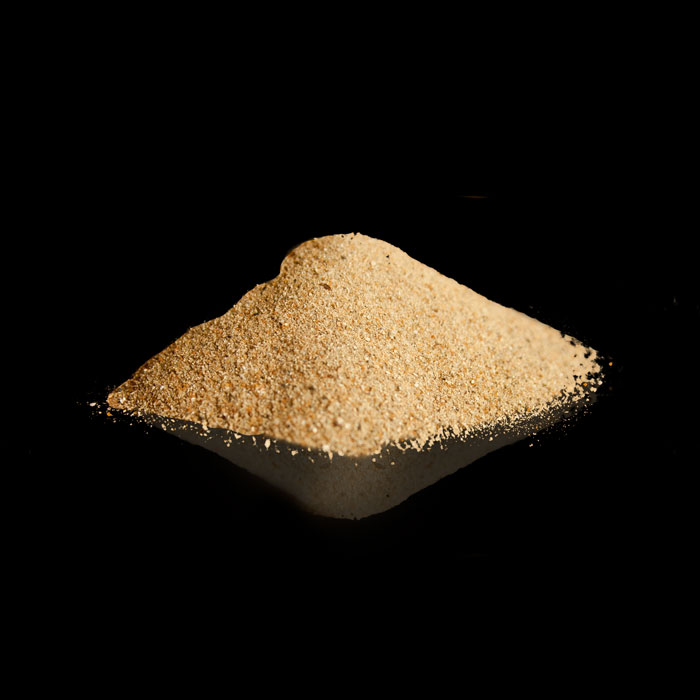
Ball clays are fine grained, highly plastic clays, which are principally used in the manufacture of ceramic whiteware and sanitaryware where they are appreciated for their plasticity, unfired strength and their light color on firing.
- Improves the plasticity of other clay
- Improves the workability of porcelain objects
- Allows for it to be strong even in the pre-fired state
- It can make the body safer to form and handle
- In ceramic.
- In wall and floor tiles.
- In tableware.
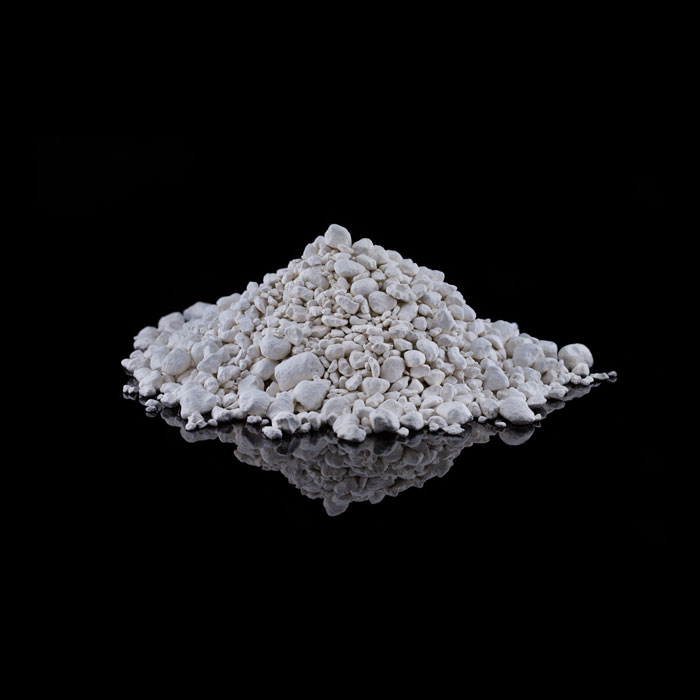
Kaolin is a clay mineral, with the chemical composition. It is an important industrial mineral. Water washed kaolin is made by slurring the raw clay and then centrifuging or hydrocycloning it to remove impurities. Chemical bleaching is done to improve the brightness of the kaolin before it is then produced into the specific grades.
- Safety which is people can be exposed to kaolin in the workplace by breathing in the powder or from skin or eye contact.
- Production of paper.
- In cosmetics.
- In ceramic.
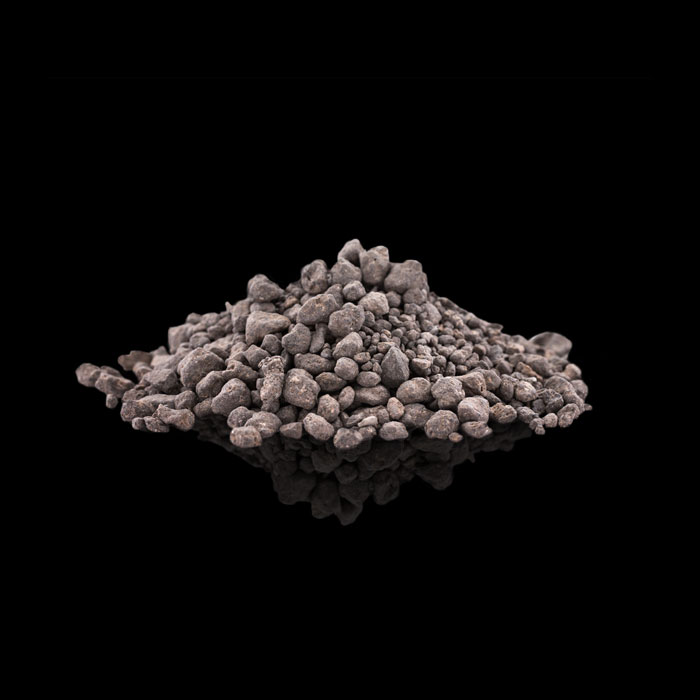
Dolomite is a common rock-forming mineral. It is the primary component of the sedimentary rock known as dolostone and the metamorphic rock known as dolomitic marble. Limestone that contains some dolomite is known as dolomite limestone.
- It may be used to treat conditions caused by low calcium levels such as bone loss (osteoporosis), weak bones (osteomalacia/rickets), decreased activity of the parathyroid gland (hypoparathyroidism), and a certain muscle disease (latent tetany)
- Construction aggregate.
- Cement Manufacture.
- Oil and gas reservoir.
- Agricultural soil treatment.
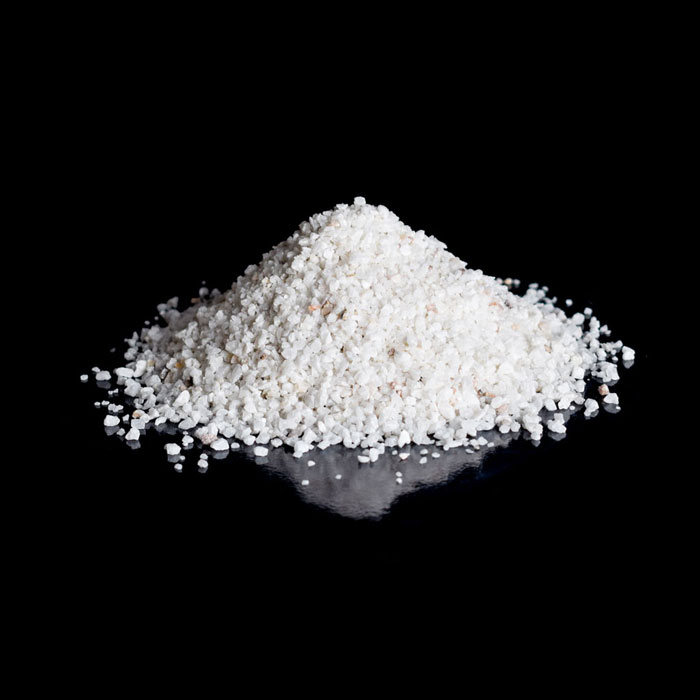
Limestones are made up largely of calcite (calcium carbonate) as their main mineral. Limestone is important because it contains many fossils, and those fossils can be used to date the rock so that the geological period of time in which the limestone's formed can be determined.
- High in calcium
- Curbs pollution
- Good for ponds
- Water treatment
- In toothpaste
- In Medicine
- In Cement
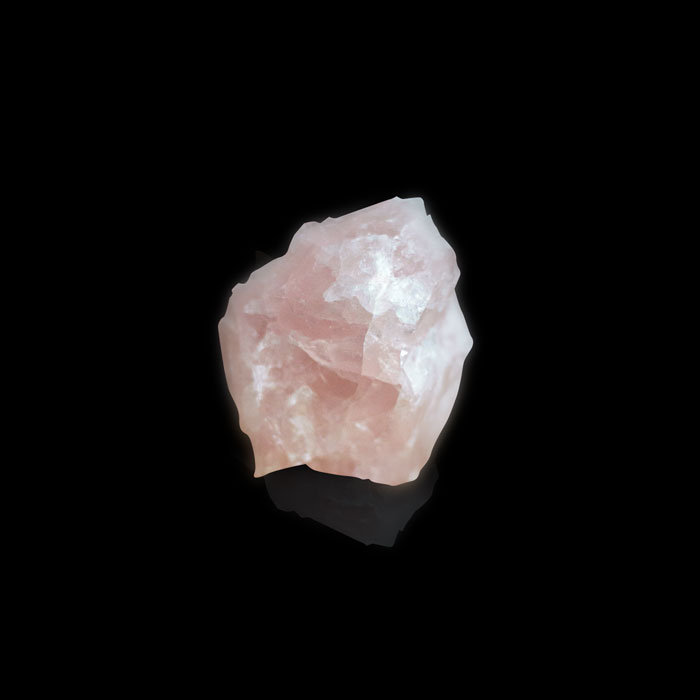
Quartz is an igneous rock that is composed of oxygen and silicon atoms in a continuous makeup of silicon-oxygen tetrahedra (SiO4). Each individual oxygen atom is shared between two tetrahedra atoms, giving quartz the final chemical formula scientifically known as SiO2.There are many different varieties of quartz, several of which are semi-precious gemstones.Since antiquity, varieties of quartz have been the most commonly used minerals in the making of jewelry and hardstone carvings.
- Resists staining much better than granite, marble and concrete.
- Non-porous surface means that it will not harbor bacteria or viruses.
- Very low maintenance required, quartz counter tops are definitely worth considering
- Jewelry and gemstones
- Watches and clock
- Glass making
- Petroleum industry
- Foundry materials
Tin ore is a natural mineral found in the earth. It is the main source of tin metal, which is extracted through mining and processing.
- Resistant to rust and corrosion.
- Lightweight and durable.
- Safe for coating food cans because it does not react easily with food.
- Can be recycled, making it environmentally friendly.
- Used to make food and beverage cans.
- Used in solder for joining electronic components.
- Mixed with other metals to produce alloys such as bronze.
- Used in the automotive, construction, and electronics industries.
Amang is a heavy mineral sand left behind after tin ore is processed. It contains valuable minerals such as ilmenite, zircon, and monazite, which can be separated and used in various industries.
- Contains valuable minerals with high economic value.
- Reduces waste by making use of by-products from tin mining.
- Supports industries such as construction, electronics, and manufacturing.
- Some minerals can be recycled and processed for further use.
- Ilmenite is used to produce titanium dioxide for paints, plastics, and paper.
- Zircon is used in ceramic tiles, sanitary ware, and foundry moulds.
- Monazite is a source of rare earth elements used in high-tech products, magnets, and renewable energy technologies.
Quartz sand is a naturally occurring granular material composed mainly of silicon dioxide (SiO2). It is known for its high purity, hardness, and chemical stability.
- High hardness and durability.
- Excellent chemical resistance.
- High melting point.
- Low thermal expansion.
- High silica content
- Glass manufacturing.
- Foundry Casting.
- Construction materials
- Water filtration systems
- Ceramics production
- Hydraulic fracturing
Quartz powder is finely ground quartz with a high silica content. It is produced by crushing and milling quartz stone into fine particles.
- High whiteness and purity.
- Excellent hardness.
- Good electrical insulation.
- Chemical inertness.
- Improves product strength and durability
- Ceramics and porcelain.
- Paints and coatings.
- Engineered stone countertops
- Adhesives and sealants
- Electronics
- Rubber and plastics filler
Feldspar is a group of aluminium silicate minerals containing potassium, sodium or calcium. It is one of the most abundant minerals in the Earth's crust.
- Acts as a flux, reducing melting temperature
- Improves strength and hardness
- Enhances surface finish
- Good chemical stability
- Cost-effective raw material
- Ceramics tiles and sanitary ware.
- Glass manufacturing.
- Glazes and enamels
- Paints and coatings
- Filler in plastics and rubber
Granite is a coarse-grained igneous rock composed mainly of quartz, feldspar and mica. It is highly durable and resistant to weathering.
- Extremely strong and durable
- Scratch and heat resistant
- Attractive natural appearance
- Low maintenance
- Long service life
- Building and construction.
- Kitchen countertops
- Flooring and wall cladding
- Monuments and memorials
- Road aggregates
- Landscaping